
JEE Main 23 January 2025 Shift 2: Chemistry Question 56
Given below are two statements: Consider the following reaction.
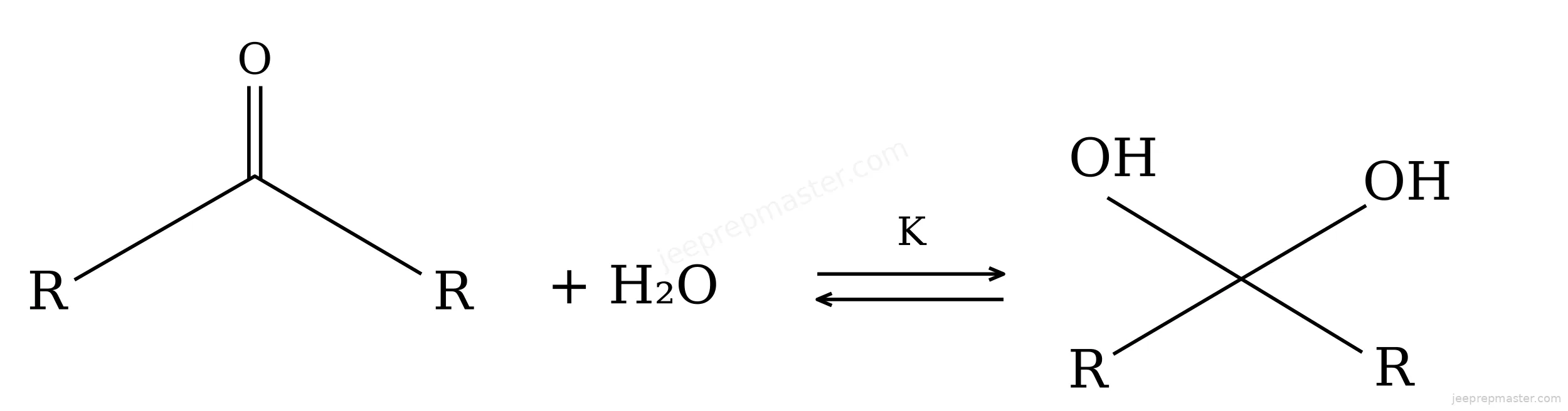
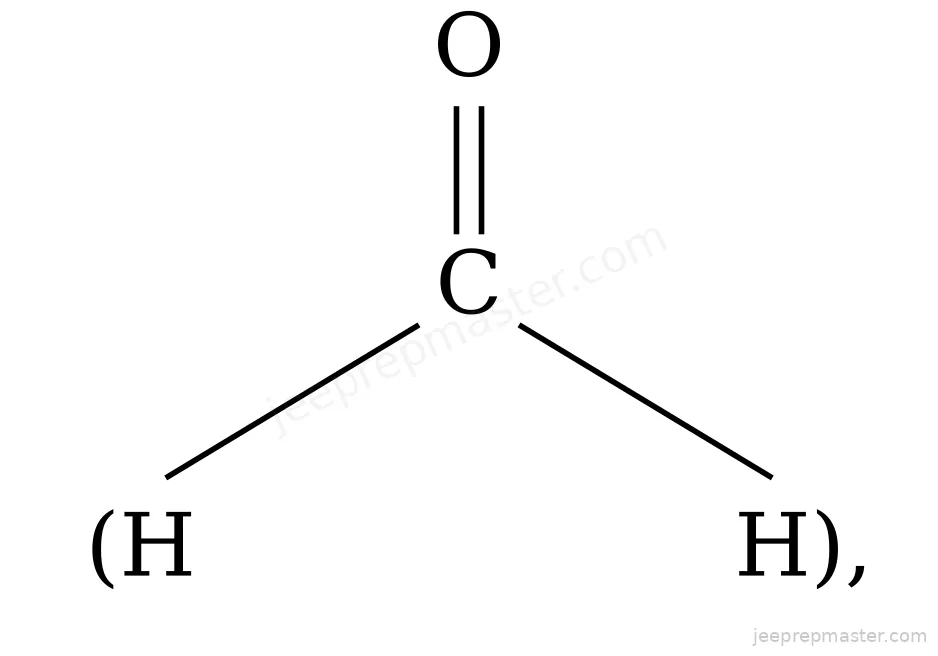
Statement (I): In the case of formaldehyde, K is about 2280, due to small substituents, hydration is faster.
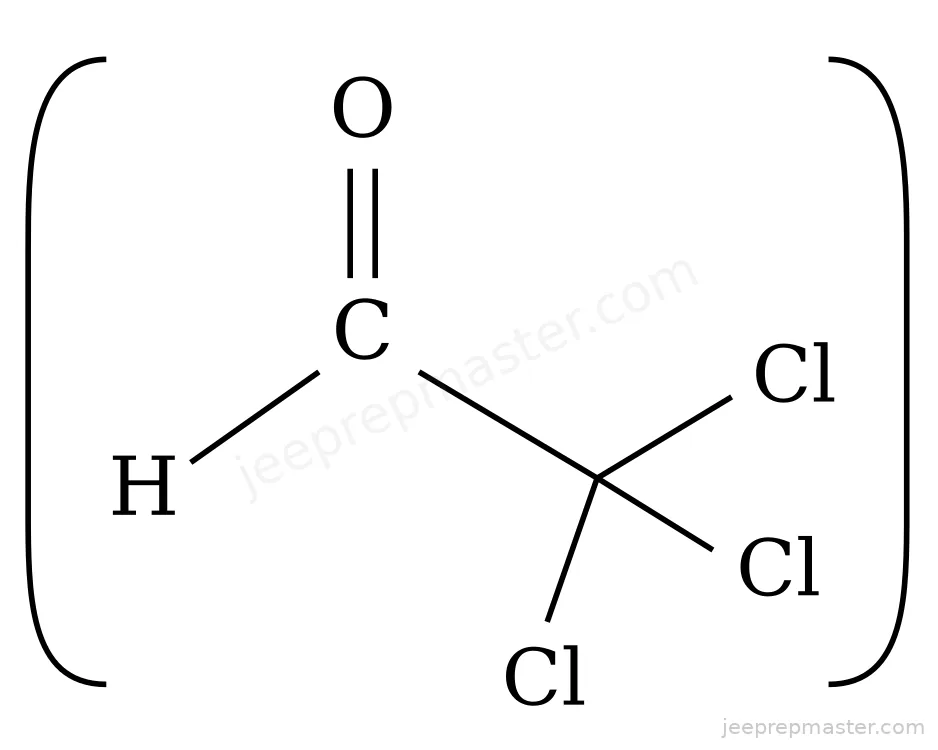
Statement (II): In the case of trichloro acetaldehyde, K is about 2000 due to −I effect of −Cl.
In the light of the above statements, choose the correct answer from the options given below:
Show answer and solution
Correct answer: Option 4
The displayed reaction is addition of water to a carbonyl group, producing a geminal diol: A large hydration equilibrium constant means that the hydrate is favoured.
Formaldehyde has two small hydrogen substituents, so nucleophilic approach is least sterically hindered. It also lacks electron-releasing alkyl groups that would reduce the electrophilicity of the carbonyl carbon. These features favour hydration; Statement I expresses the correct comparison.
In trichloroacetaldehyde, the strongly electron-withdrawing group exerts a effect. It increases the electrophilicity of the carbonyl carbon and strongly favours the gem-diol, chloral hydrate. Thus the qualitative explanation in Statement II is also correct.
Using the approximate K values supplied in the question, the answer is that both statements are true, option (4).